Perimenopause Education & Consultation

You're not imagining it. And you don't have to figure it out alone.

Understand what's happening in your body, what your options are, and what to ask — so you can move forward with clarity and confidence.

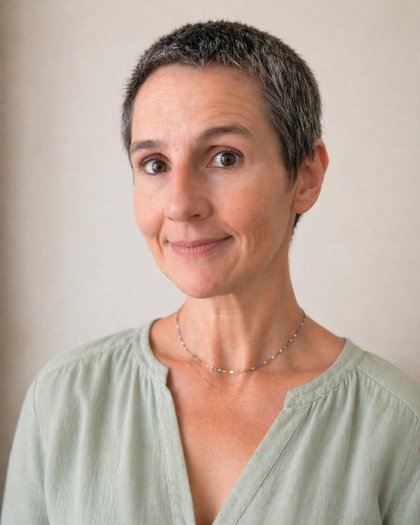
Dr. Steph Elliott

I'm Dr. Steph Elliott — a nurse practitioner with a Doctor of Nursing Practice (DNP) in women's health. I help women navigate perimenopause with better information, clearer questions, and more confidence going into their next appointment.

Something shifted. Maybe your sleep is a mess. Maybe your periods changed and nobody explained why. Maybe you've been to your doctor and left feeling dismissed, or more confused than when you walked in. You deserve better than that.

This is health education, not clinical care. I don't prescribe or diagnose. What I do is fill the gap the medical system leaves — so you walk into your appointments prepared instead of confused.

This might be you if:

Not sure where to start? Book a free 15-minute discovery call — no prep needed, no pressure.

Most popular

$149

Clarity Session — 60 minutes

One focused conversation to help you understand your symptoms, questions, and options. We can cover whatever's most pressing — symptoms, labs, hormone therapy, or preparing for your next doctor's visit.

You'll leave with

  • A clearer picture of what may be happening
  • Practical next steps for your situation
  • Questions to bring to your doctor
  • A written summary within 24 hours

Best for: women who want one focused conversation and a clear path forward.

Book clarity session

Best for deeper support

$349

Full Picture Package — 3 sessions over 6 weeks

For women who want more than one conversation. Three sessions to look at the full picture, revisit questions as they come up, and build a real understanding of what's happening and what to do next.

  • Session 1 (60 min): Your full picture — symptoms, history, what you've tried, what you want.
  • Session 2 (45 min): Your personalized framework — lifestyle, supplements, how to talk to your provider about HRT.
  • Session 3 (45 min): Check-in and recalibration — what's working, what needs adjusting.
  • Written summary after each session
  • WhatsApp or email access between sessions (one message/week, response within 48 hours)

Best for: women ready to go deeper and build real understanding over time.

Book the package

Specialty & returning client options

$149

Surgical Menopause Consultation — 60 min

Tailored for women navigating menopause after surgical removal of the ovaries. The onset is sudden and the symptom picture is often more intense — this session addresses that specifically.

Book session
$129

Doctor Visit Prep — 45 min

Have an appointment coming up? We'll work through what to ask, how to frame it, and how to advocate for yourself — so you leave with answers, not more confusion.

Book session
$79

Follow-up Check-in — 30 min

Returning clients only

For women who've already worked with me and want a focused touchpoint to troubleshoot, recalibrate, or check in on how things are going.

Book check-in
$69

Written Lab Review — Async

Send your labs. Receive a written, plain-language report explaining what your results may mean, questions to ask, and what to discuss with your provider. No call needed. Turnaround within 48 hours.

Get started

What exactly is perimenopause?

Perimenopause is the transitional phase leading up to menopause — typically beginning in your early-to-mid 40s, though it can start earlier. During this time, estrogen and progesterone levels shift and fluctuate, which can cause a wide range of symptoms. It ends when you've gone 12 consecutive months without a period, at which point you've reached menopause. The perimenopausal transition can last anywhere from a few years to a decade.

What are the most common perimenopause symptoms?

Symptoms vary widely from woman to woman, but the most common include: irregular or heavier periods, hot flashes and night sweats, disrupted sleep, mood changes (anxiety, irritability, low mood), brain fog and difficulty concentrating, fatigue, vaginal dryness, low libido, joint aches, and changes in weight distribution. Many women are surprised to learn that anxiety and sleep problems are often hormone-related — not just stress.

Can perimenopause start in your 30s?

Yes. While the average age is early-to-mid 40s, some women notice hormonal shifts in their late 30s. If you're experiencing irregular cycles, new sleep disruption, mood changes, or other unexplained symptoms in your 30s, perimenopause may be worth exploring with your provider. Early onset is more common than most people realize, and it's often missed or misattributed to stress or anxiety.

What is hormone therapy (HRT), and is it right for me?

Hormone therapy — also called HRT or menopausal hormone therapy (MHT) — replaces some of the estrogen (and often progesterone) your body is no longer making as much of. For many women it's highly effective at reducing hot flashes, improving sleep, protecting bone density, and improving quality of life. The evidence around HRT has evolved significantly over the past two decades, and for most healthy women under 60 who are within 10 years of menopause, current guidelines suggest the benefits outweigh the risks. Whether it's right for you depends on your individual history, symptoms, and preferences — something worth a real conversation with your provider.

My labs came back "normal" but I still feel terrible. What's going on?

This is one of the most common frustrations I hear. Standard lab reference ranges are broad, and FSH or estrogen levels can appear "normal" even during significant hormonal fluctuation. Hormone levels also shift day-to-day during perimenopause, so a single snapshot may not reflect what's actually happening. Perimenopause is largely a clinical diagnosis — meaning symptoms matter just as much as bloodwork. Understanding how to interpret your results in context, and what to ask your provider, can make a real difference.

Are you a medical doctor?

No — and I'm upfront about that. "Dr. Steph" refers to my Doctor of Nursing Practice (DNP), which is a terminal clinical doctorate in nursing, not a medical degree (MD or DO). DNP-prepared nurse practitioners are trained in patient education, whole-person care, and clinical decision support. I don't prescribe and I don't diagnose. What I provide is the kind of detailed, unhurried education that a 15-minute appointment almost never has time for.

Is this medical advice?

No. What I offer is health education and consultation. I'm not your doctor and I won't prescribe or diagnose. What I will do is make sure you understand your body and your options so you can have better conversations with your provider and feel confident advocating for yourself.

Do I need to be in a specific country?

No. Sessions are via video call and available to women anywhere in the world.

How do I book?

Click any booking link on this page, choose your session, fill out a short intake form, and pay to secure your spot. You'll receive a confirmation with your Zoom link immediately.

Ready to get some clarity?

Whether you're just starting to ask questions or already deep in the process — you don't have to sort through this alone.

Book a free discovery call